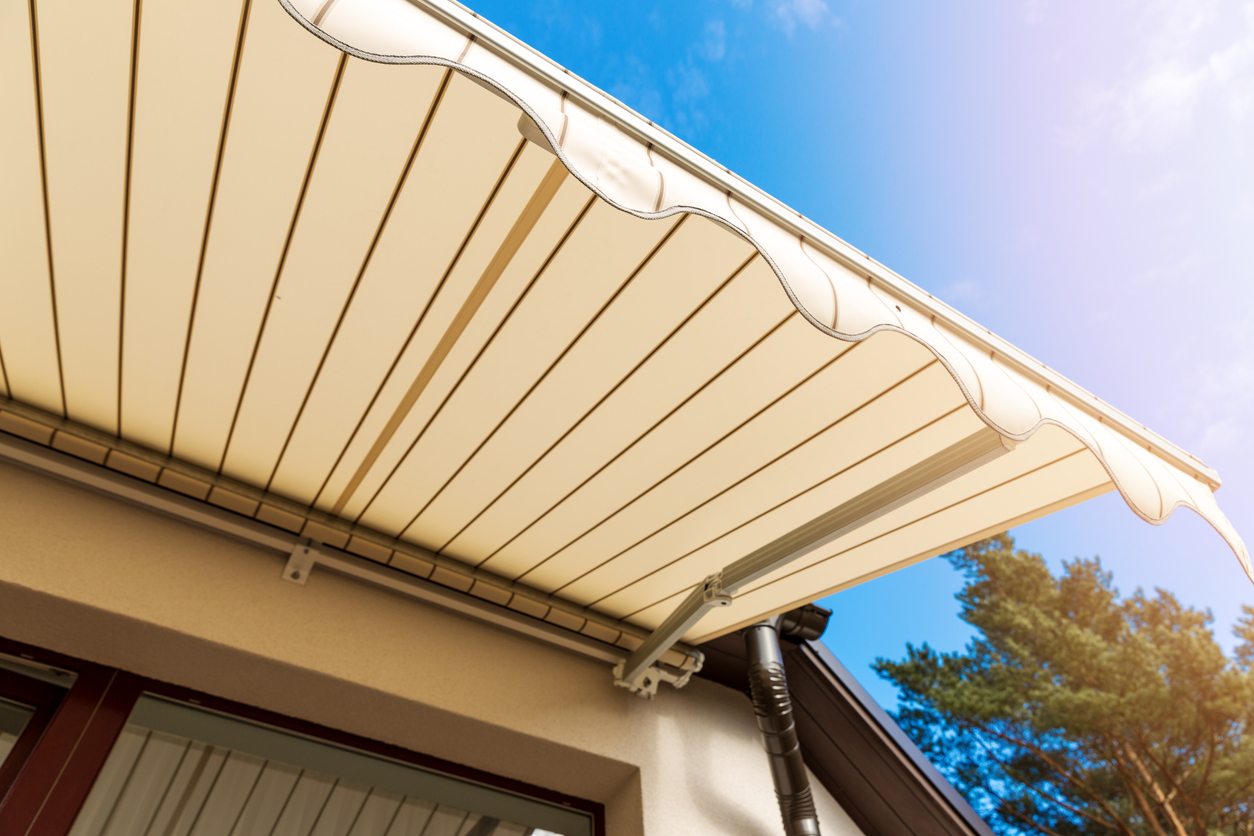
Sydney summers are relentless. Temperatures regularly climb past 35°C, afternoon westerlies push hot air straight through unprotected windows, and energy bills spike as air conditioners work overtime to compensate. For many homeowners, the fix is already sitting above the window frame, or rather, waiting to be installed there.
Window awnings are one of the most effective passive cooling upgrades available to Sydney homes. Unlike internal blinds or curtains that trap heat between the fabric and the glass, awnings intercept sunlight before it ever reaches the window. The result is a measurably cooler home, lower running costs, and a more comfortable living environment year-round.
Key stat: According to NSW Energy, external shading such as awnings can cut heating and cooling bills by up to 40% per year by reducing air conditioner runtime.
This guide covers every meaningful benefit of window awnings for Sydney homes, from the energy numbers to UV protection, weather resilience, and property value, so you can make an informed decision before getting a quote.
Significant Energy Savings
The most compelling case for window awnings is financial. Sydney's climate means air conditioning runs for a long stretch of the year, and windows are the primary entry point for unwanted heat gain. Awnings address the problem at the source.
How much heat do awnings actually block?
The numbers are substantial. External window awnings can reduce solar heat gain through glass by:
- Up to 77% on west-facing windows, which bear the brunt of Sydney's brutal afternoon sun
- Up to 65% on south-facing windows
- Up to 94% of the sun's total heat when high-quality awning fabrics are used
West-facing rooms in Sydney suburbs like Parramatta, Penrith, and the Hills District are particularly vulnerable. Without shading, those rooms can become unusable by mid-afternoon in January. Properly installed awnings change that entirely.
The air conditioning cost impact
Internal blinds and curtains are often seen as an equivalent solution, but they are not. By the time sunlight passes through the glass and hits an internal blind, the heat energy is already inside the room. The blind traps it, creating a pocket of hot air that radiates inward. Awnings prevent this by blocking radiation before it reaches the glass.
The practical outcome: Sydney homeowners with awnings on key windows typically see 15–25% reductions in summer cooling costs. For a household running a standard ducted system, that translates to hundreds of dollars saved each summer season.
NSW Energy guidance: External shading is classified as a highly effective home upgrade for households with west-facing windows, those wanting to reduce air conditioning reliance, and anyone looking to cut glare and UV-related furniture damage. Read the full NSW government guidance here.
Retractable awnings: year-round efficiency
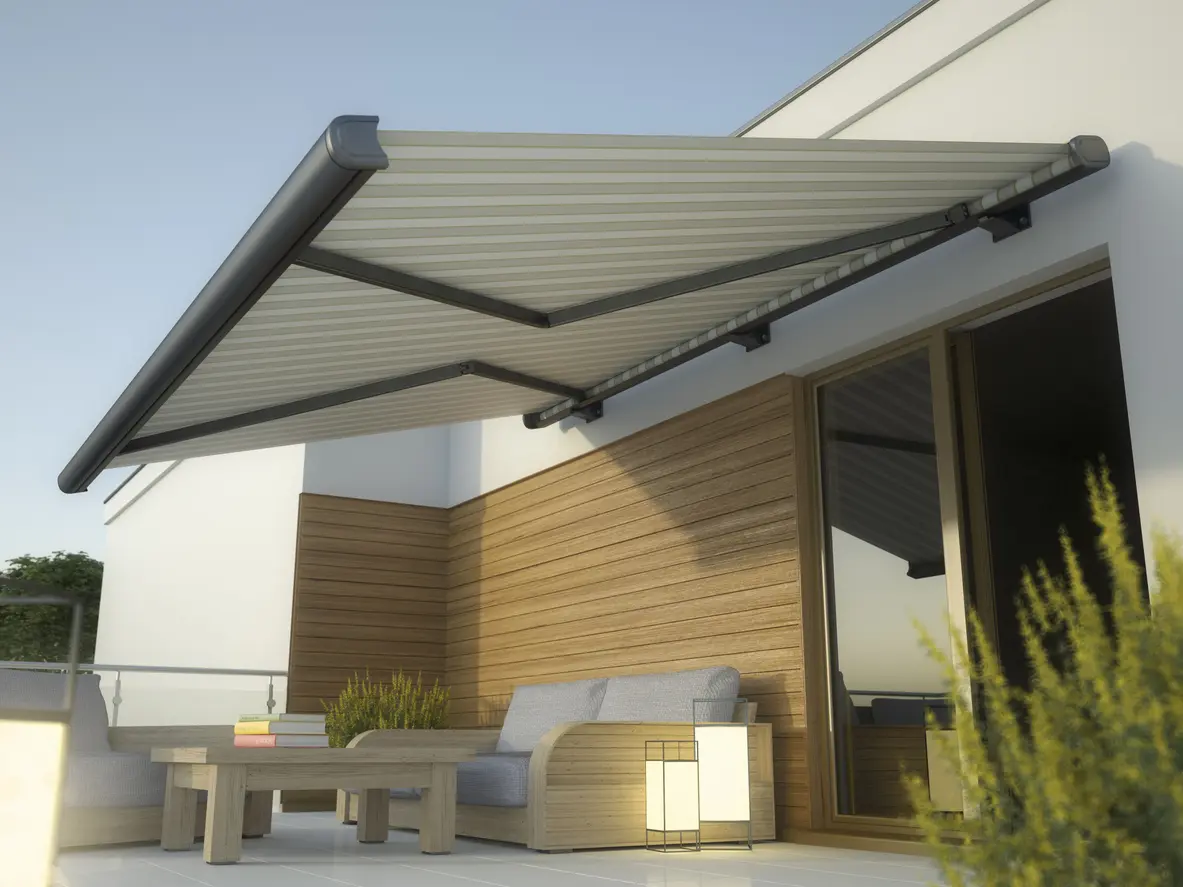
A common concern is that awnings will block winter sun, making the home colder when warmth is welcome. Retractable awnings solve this completely. During summer, extend them to block the high midday and afternoon sun. In winter, retract them to let lower-angle sunlight enter and provide free passive heating. This seasonal flexibility makes retractable awnings one of the smartest thermal investments available to Sydney homeowners.
UV Protection for Your Family and Furnishings
Heat is the obvious enemy, but UV radiation does the damage you don't notice until it's too late. Sydney receives some of the highest UV index readings in the world, and standard window glass offers very little protection against the wavelengths responsible for fading and skin exposure.
Protecting your interiors
Prolonged UV exposure causes irreversible damage to:
- Timber flooring and floorboards (bleaching and warping)
- Upholstered furniture (colour fading and fabric degradation)
- Curtains and carpets (accelerated wear and discolouration)
- Artworks, photographs, and decorative items
For Sydney homes with timber floors or quality furniture, the cost of UV damage over a decade can easily exceed the cost of installing awnings. Quality awning fabrics block up to 94% of harmful UV rays, creating a protective barrier that internal window treatments simply cannot replicate because they allow UV to pass through the glass before the fabric intercepts it.
Protecting your family
UV exposure through windows is a genuine health consideration in Australia, where skin cancer rates are among the highest in the world. Rooms with significant western or northern sun exposure can accumulate meaningful UV exposure during peak hours. Awnings reduce this risk in living areas, kitchens, and home offices where family members spend extended time near windows.
The practical upshot: awnings are doing double duty, reducing your energy bills while simultaneously extending the life of your interior furnishings and reducing UV exposure for the people inside.
Enhanced Indoor Comfort and Livability
Energy bills are measurable. Comfort is harder to quantify, but it's often the reason homeowners reach the point of actually making a change. Rooms that become unbearably hot by midday, glare making the television or computer screen unusable, uneven temperatures between north-facing and south-facing rooms: these are daily frustrations that awnings directly resolve.
Temperature stability throughout the day
Without external shading, a west-facing room in a Sydney home can swing 10 to 15 degrees between morning and mid-afternoon. That thermal instability forces constant adjustment of the air conditioning and makes the room uncomfortable to use during peak hours. Awnings stabilise this by intercepting solar radiation before it enters, keeping room temperatures far more consistent across the day.
Rooms with properly installed awnings can be 10 to 15 degrees cooler than equivalent unprotected spaces during peak summer heat. That difference is the gap between a room you avoid and one you actually use.
Glare reduction
Glare is a significant and underrated quality-of-life issue in Sydney homes. North and west-facing living rooms and home offices experience intense direct sun during the hours most people are actually home. Awnings reduce this glare without requiring curtains to be drawn, maintaining natural light and views while cutting the harshest direct sunlight.
This matters particularly for:
- Home offices where screen glare reduces productivity
- Living rooms where afternoon sun makes television watching difficult
- Dining areas and kitchens that receive intense western light during the evening meal
Better natural ventilation
Awnings also support airflow. When windows can be opened without direct sun pouring in, cross-ventilation becomes a viable cooling strategy during Sydney's milder months. Many Sydney homeowners find that with awnings installed, they can rely on natural ventilation well into the warmer months before needing to switch on air conditioning at all.
Weather Protection and Home Durability
Sydney's weather is not just hot. It also brings sudden heavy rain, coastal salt air, and the occasional hailstorm. Window awnings provide a layer of protection that extends well beyond sun shading.
Protecting windows and frames
Direct rain on window frames accelerates wear, particularly on timber frames and older aluminium profiles. Awnings deflect rainfall away from the window face, reducing water ingress around seals and extending the life of the window unit itself. For homes with older windows that are not yet due for replacement, this added protection can meaningfully delay maintenance costs.
Keeping interiors dry during rain
One of the practical advantages of awnings is that windows can remain open during light to moderate rain without water entering the home. This is particularly useful in Sydney's humid summer months, where overnight ventilation is valuable but leaving windows fully open risks water damage. With an awning overhead, a window can stay cracked open through a passing shower, maintaining airflow without the mess.
Salt air and coastal durability
For Sydney homes in coastal suburbs, from Manly and Bondi to Cronulla and the Northern Beaches, salt air is an ongoing challenge for any exterior fitting. Quality awnings designed for Australian coastal conditions use corrosion-resistant hardware and UV-stable fabrics that hold up in these environments. Choosing the right product for your location is important; this is where professional advice from a local supplier makes a real difference.
Kerb Appeal and Property Value
Awnings are not just functional. Done well, they are a genuine aesthetic upgrade that improves the street presence of a home and, in a competitive Sydney property market, adds measurable appeal to prospective buyers.
Architectural character
A well-chosen awning adds depth and definition to a home's facade. Sydney's mix of Federation homes, mid-century brick veneer, and contemporary builds all suit different awning styles, from traditional canvas striped designs to sleek modern folding-arm options in neutral tones. The right awning frames windows, creates visual interest, and gives a home a finished, considered appearance.
Buyer appeal in the Sydney market
Sydney buyers are increasingly aware of energy performance and running costs. A home with quality external shading already installed signals lower bills and a more comfortable interior, which is a meaningful selling point. In a market where comparable homes compete on presentation and liveability, practical upgrades like awnings contribute to a stronger first impression and broader buyer appeal.
Extending usable outdoor space
Window awnings also shade the area immediately outside the window, creating a cooler zone on patios, alfresco areas, and outdoor entertaining spaces adjacent to the home. This effectively extends the usable square footage of the home's outdoor areas during the hottest parts of the day, which is a genuine lifestyle benefit for Sydney families who use outdoor spaces year-round.
Choosing the Right Awning for Your Sydney Home
Not every awning suits every home. The right choice depends on window orientation, the architectural style of the property, how much flexibility you want with seasonal adjustment, and your budget.
Key awning types for Sydney homes
Orientation matters
Window orientation is the single most important factor in awning selection. As a general guide:
- West-facing windows have the highest priority. These receive the most intense afternoon sun and benefit most from awning coverage.
- North-facing windows receive high sun in summer but also useful winter sun. Retractable options are ideal here.
- East-facing windows get morning sun, which is less intense. Awnings are still beneficial but lower priority than west.
- South-facing windows receive the least direct sun and rarely require shading awnings in Sydney.
Fabric and hardware quality
Sydney's climate is demanding. UV degradation, salt air on the coast, and the physical stress of regular retraction all affect how long an awning lasts. Investing in quality acrylic fabrics and powder-coated aluminium hardware is the difference between an awning that looks good for 15 years and one that needs replacing in five.
Professional installation also matters. Awnings that are incorrectly fixed to the wall or set at the wrong pitch will not perform as well thermally, and may be vulnerable to wind damage. A qualified installer will assess the wall substrate, set the correct projection angle, and ensure the awning is rated for local wind conditions.
For Sydney homeowners exploring their options, the Blinds n Co awnings range covers the full spectrum of styles, fabrics, and motorisation options, with free in-home consultations available across the Sydney metro area.
The Bottom Line
Window awnings are one of the few home upgrades that deliver on multiple fronts simultaneously: lower energy bills, better indoor comfort, UV protection, weather resilience, and improved kerb appeal. For Sydney homes, where summer heat is intense and prolonged, they are not a luxury addition but a practical investment that pays for itself over time.
The investment in quality awnings typically pays for itself through energy savings within 5 to 7 years, with the added benefits of UV protection and improved comfort beginning from day one.
If you have west or north-facing windows that make rooms uncomfortable during summer, awnings are the most direct solution available. The key is choosing the right type, fabric, and installation for your specific home and location.
Blinds n Co offers free in-home consultations and quotes across Sydney. Get in touch to discuss the best awning solution for your home.