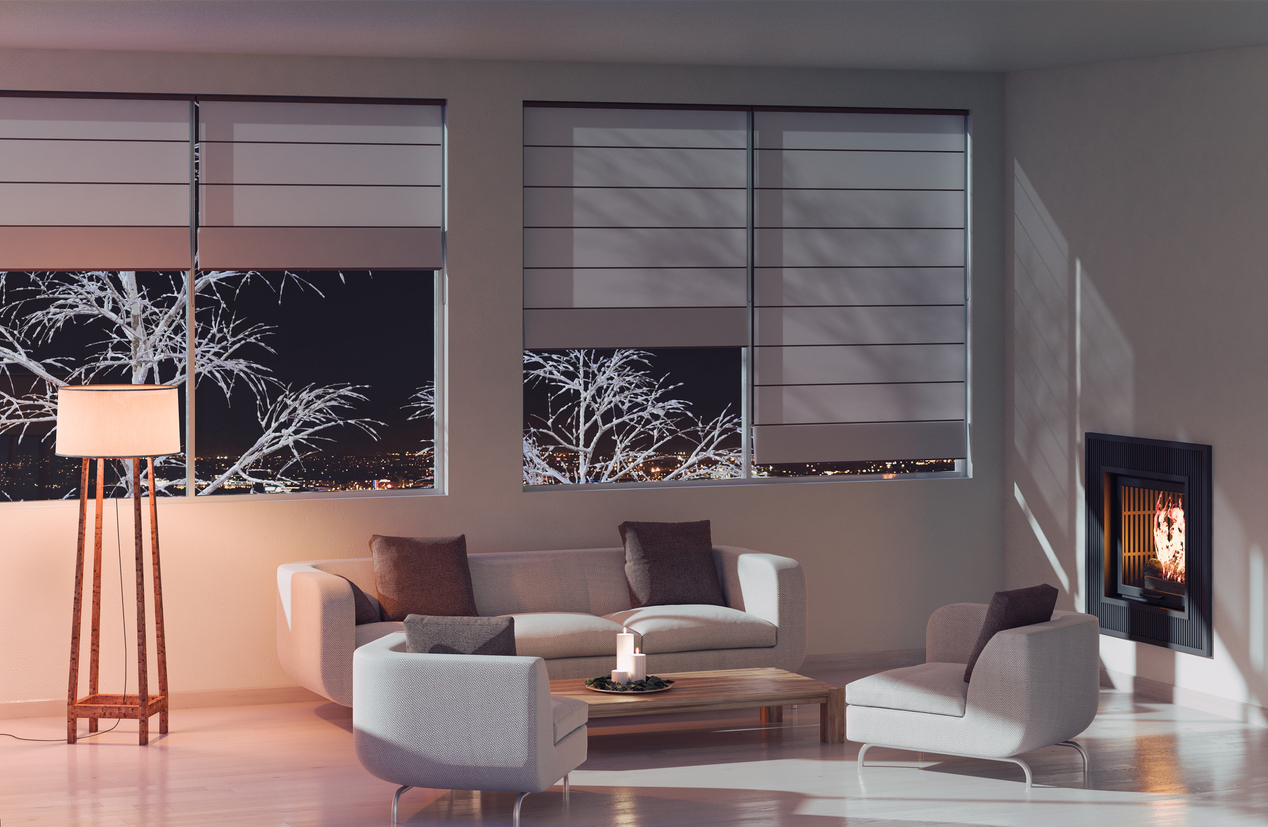
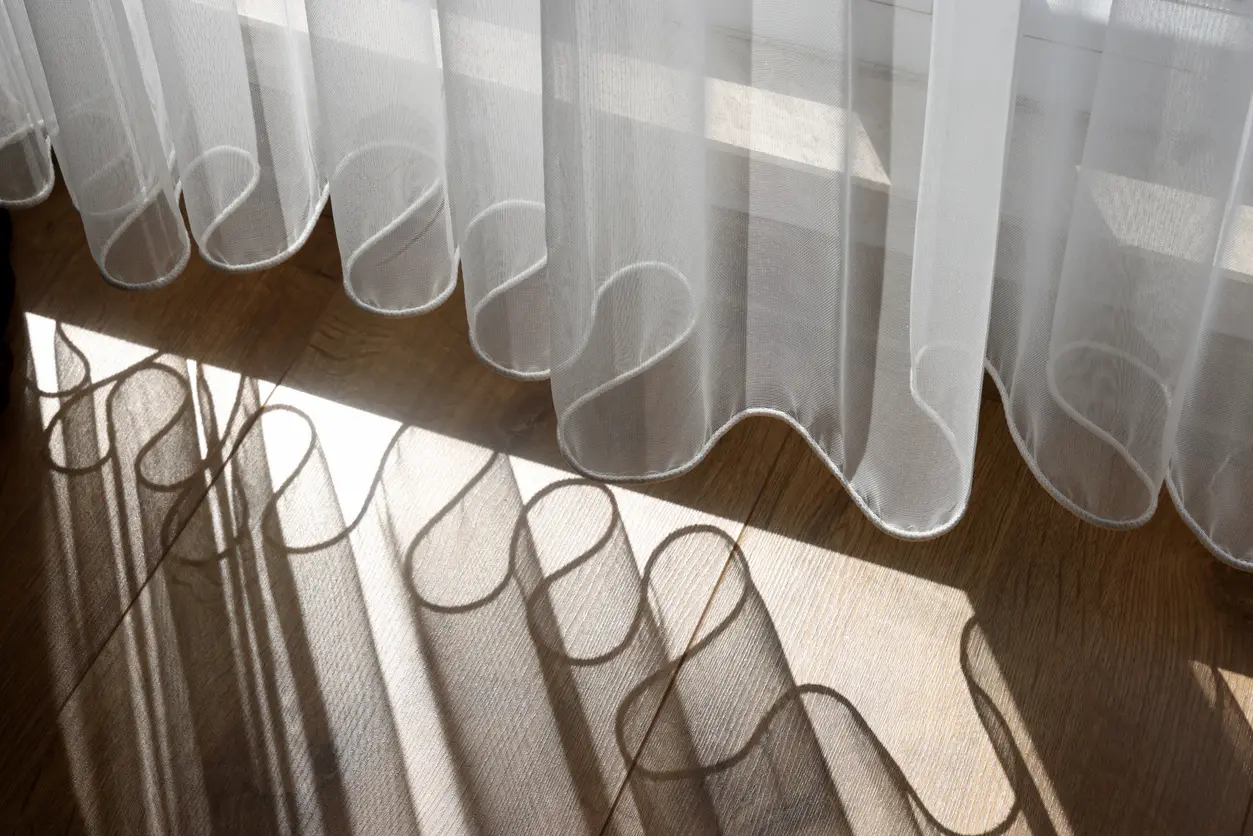
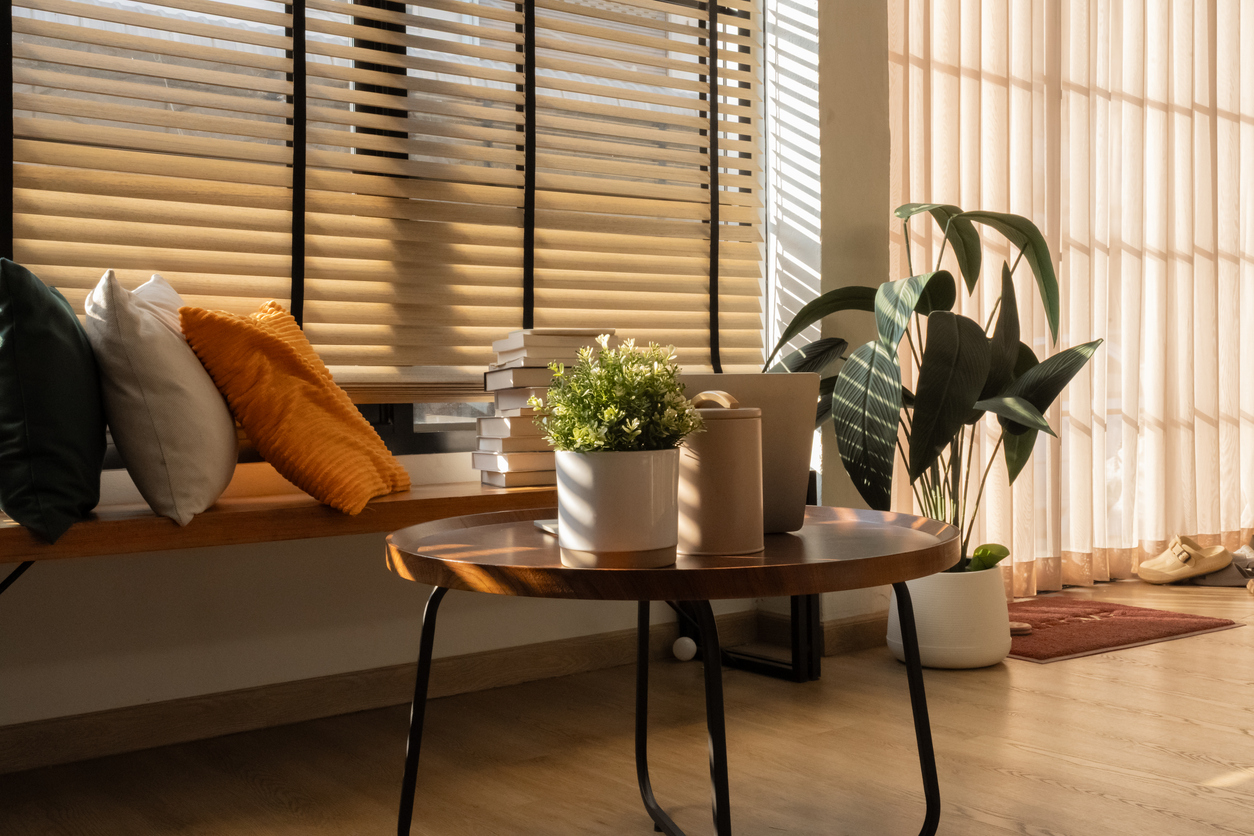
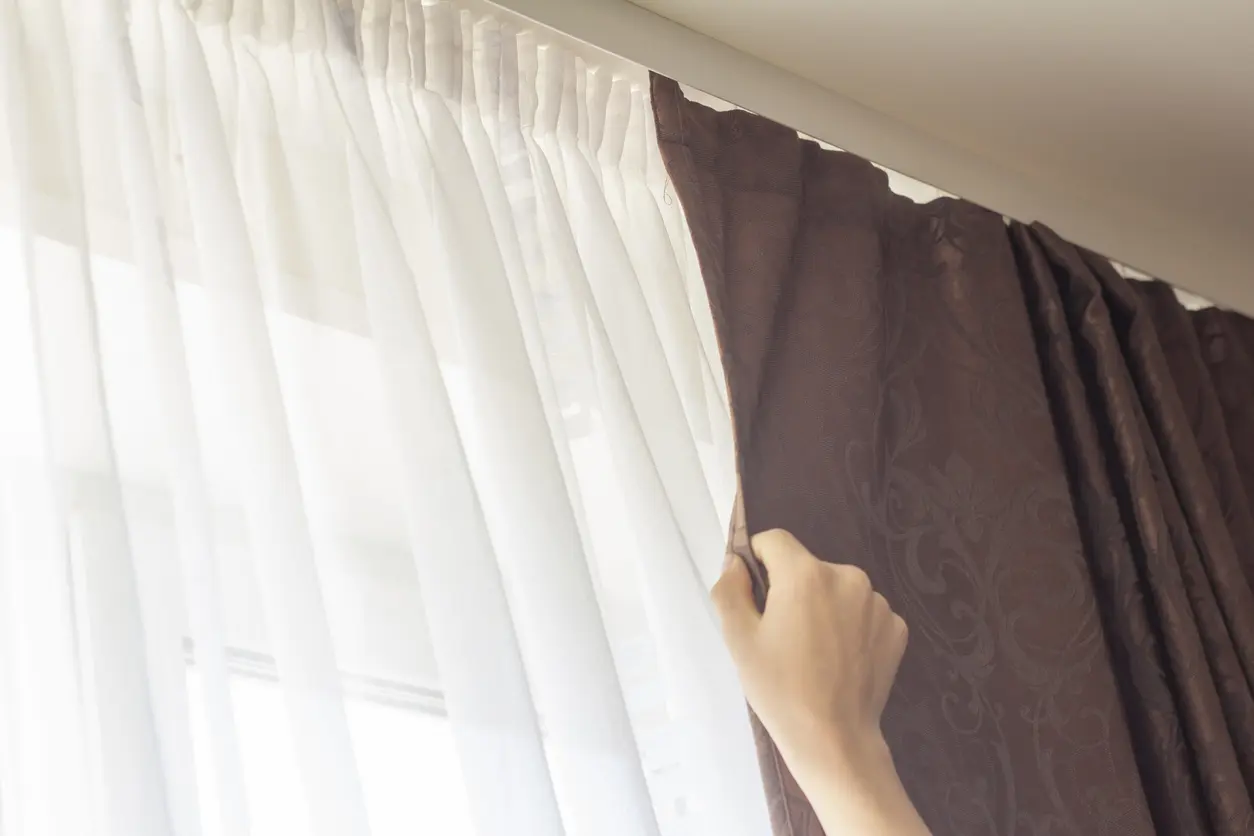

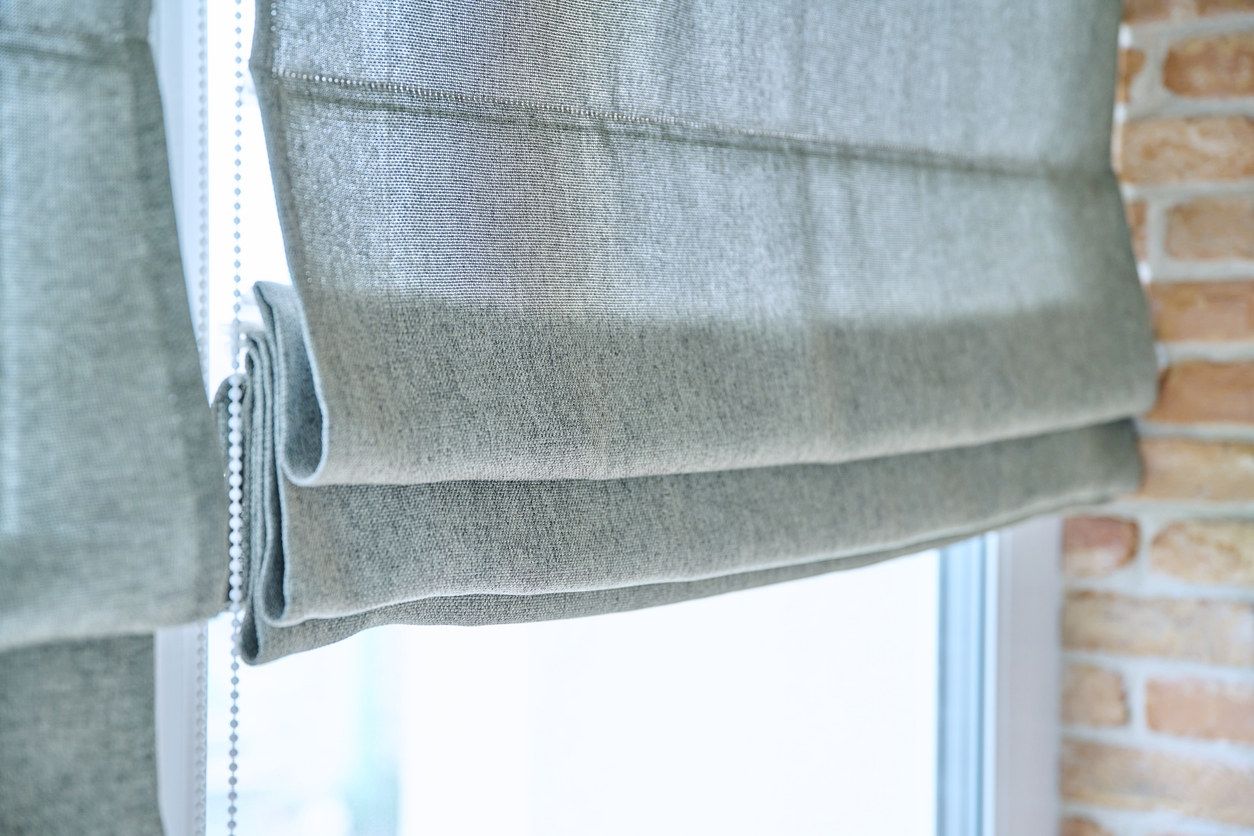
Roman blinds occupy a unique space in the world of window furnishings. They sit somewhere between the softness of a curtain and the clean practicality of a roller blind, folding into neat horizontal pleats when raised and sitting flat as a single panel of fabric when lowered. That combination of elegance and function is exactly why they remain one of the most popular window treatments in Australian homes.
The problem is that "Roman blind" describes a category, not a single product. Choosing custom Roman blinds means making a series of decisions: fold style, fabric type, lining, mount position, and control mechanism. Get those decisions right, and you end up with a window treatment that looks tailored, performs well, and lasts for years. Get them wrong, and you have a blind that either doesn't fit, doesn't suit the room, or frustrates you every time you use it.
This guide covers every decision you need to make, from understanding the different fold styles to choosing the right fabric for each room, measuring accurately, and selecting the control system that suits your household.
What Are Custom Roman Blinds (and Why Not Just Buy Ready-Made)?
Custom Roman blinds are made to the exact dimensions of your window, using the fabric, lining, and control mechanism you specify. Ready-made Roman blinds come in fixed sizes and a limited fabric range. They suit standard windows in a pinch, but they rarely fit perfectly, and the fabric choice is narrow.
The difference matters more than it might seem. A Roman blind that is even slightly too narrow leaves a gap at the sides that lets light bleed through. One that is too wide buckles against the frame. Off-the-shelf options also tend to use lighter-weight hardware that wears out faster under daily use.
The real advantage of going custom is not just aesthetics. It is the ability to specify every element: the fold style that suits your room's proportions, the fabric weight that delivers the light control you need, and a control system appropriate for your household. Ready-made blinds offer none of that.
Custom Roman blinds are also made to handle the specific conditions of Australian homes. Sydney's combination of high UV exposure, coastal humidity in some suburbs, and wide temperature swings means fabric and hardware need to be selected with local conditions in mind, not just imported from a generic product catalogue.
Roman Blind Fold Styles Explained
The fold style is the first decision to make because it determines the entire look of the blind, both when raised and when lowered. Most people see a Roman blind and assume they all work the same way. They do not.
Flat (Knife Pleat)
The flat Roman blind, sometimes called a cascade or knife pleat style, uses thin aluminium dowels sewn into the back of the fabric. When lowered, the blind presents as a completely smooth, unbroken panel of fabric. When raised, the dowels create crisp, structured horizontal folds.
This is the most popular style for contemporary interiors. It works particularly well with plain fabrics, bold patterns, and any design where you want the fabric to be the feature. The clean lines suit modern Sydney homes with minimal architecture.
Hobbled (Soft Fold)
Hobbled Roman blinds also use dowels, but the fabric between each dowel is deliberately left longer than the dowel spacing, causing it to drape forward into soft, rounded folds even when the blind is fully lowered. The result is a permanently textured, layered look.
This style suits traditional and transitional interiors. It adds visual warmth to a room and works well with heavier fabrics like linen and jacquard. The trade-off is that it uses more fabric per blind and is harder to keep dust-free than a flat style.
Relaxed (Casual Fold)
The relaxed style has no dowels. The fabric hangs freely from the headrail and forms a gentle, rounded drape at the bottom when lowered. When raised, it gathers into loose, informal folds.
This is the softest, most casual of the three styles. It suits bedrooms, sunrooms, and informal living spaces where a relaxed atmosphere is the goal. It does not suit wide windows well, as the unsupported fabric can sag unevenly across large spans.
Which Style Should You Choose?
Choosing the Right Fabric
Fabric is where most of the functional decisions happen. The right fabric determines how much light enters the room, how much privacy you have, how the blind handles Sydney's heat, and how long it will last. There are three broad categories to understand.
Blockout Fabrics
Blockout Roman blinds use an opaque fabric or fabric bonded to an opaque lining to prevent light from passing through. When the blind is fully lowered, the room is dark.
Best for: Bedrooms, nurseries, home theatres, and any room where sleep or screen quality matters. Blockout fabrics also provide the best thermal insulation, which is relevant in Sydney homes that experience significant heat gain through west-facing windows in summer.
One important note: a blockout fabric does not eliminate all light. Light can still enter around the edges of the blind, particularly if it is recess-fitted with a small gap at the sides. For true darkness, a face-fitted blockout blind with adequate overlap on all sides is the more effective approach.
Light-Filtering Fabrics
Light-filtering fabrics allow diffused natural light to pass through while maintaining daytime privacy. The room stays bright, but people outside cannot see clearly into the space during the day.
Best for: Living rooms, dining rooms, home offices, and kitchens. Light-filtering Roman blinds are the most versatile option for rooms where you want a connection to natural light without glare or full exposure.
The opacity of light-filtering fabrics varies significantly. A loosely woven linen will let through more light than a tightly woven polyester. When choosing, always look at the fabric in the actual light conditions of your room, not just under showroom lighting.
Sheer Fabrics
Sheer Roman blinds use translucent fabrics that admit significant natural light and preserve views to the outside. They offer minimal privacy, particularly at night when interior lighting reverses the visibility dynamic.
Best for: Rooms where privacy is not a priority and natural light is the goal: sunrooms, north-facing living areas, or spaces with garden views. Sheers are also effective layered behind heavier curtains for a dual treatment that offers both light control and privacy options.
Fabric Material: What to Look For
Beyond the opacity level, the material itself matters.
- Linen and linen blends: Natural texture, excellent for relaxed and hobbled styles, breathable, but can fade if exposed to direct sun without UV protection
- Polyester and poly-blends: More durable and fade-resistant, easier to clean, holds colour well over time, suits high-traffic rooms
- Jacquard and woven textures: Add pattern and depth, work best with flat or hobbled styles, best reserved for rooms with lower humidity
- Cotton: Soft and natural-looking, but less resistant to moisture and UV than synthetic blends; avoid in kitchens and bathrooms without a protective lining
For Sydney homes, UV resistance is worth prioritising. North and west-facing windows receive significant direct sun exposure, and fabrics without UV-stabilised treatments will fade noticeably within a few years.
Linings: Do You Need One?
A lining is a secondary layer of fabric attached to the back of the main fabric. It is optional for some fabrics and essential for others. Understanding what linings do will help you make a more informed choice.
What Linings Add
- Light control: A blockout lining on a light-filtering fabric gives you a two-in-one effect: the decorative face fabric you want, with full light blocking behind it
- Thermal performance: Linings add an insulating layer that reduces heat transfer through the window, keeping rooms cooler in summer and warmer in winter
- UV protection: A lining shields the face fabric from direct UV exposure, significantly extending its lifespan
- Fabric weight: Heavier linings help lighter fabrics hang and fold more cleanly, which is particularly relevant for flat-style Roman blinds
When to Skip the Lining
Sheer Roman blinds are typically left unlined, as a lining defeats the purpose of a translucent fabric. Casual fold styles using lightweight fabrics may also be left unlined deliberately to preserve their soft, draped character.
For most other applications, a lining is worth the additional cost. The thermal and UV benefits alone tend to justify the investment over the lifespan of the blind.
How to Measure for Custom Roman Blinds
Accurate measurement is the single most important step in the custom blind process. An error of even a few millimetres can mean the blind does not fit or operate correctly. Unlike ready-made blinds, custom blinds cannot be returned if the measurements are wrong.
Face Fit vs. Recess Fit
The first measurement decision is where the blind will be mounted.
Face fit (also called outside mount) means the blind is fixed to the wall or window frame above and outside the window opening. The blind covers the entire window, including the frame itself.
Recess fit (also called inside mount) means the blind sits inside the window frame, flush with or recessed within the opening.
Important: For Roman blinds specifically, face fitting is generally recommended over recess fitting. The folded fabric stack when the blind is raised requires adequate depth in the recess to sit without obstructing the window. Most residential window recesses in Sydney are not deep enough to accommodate this comfortably.
Face fitting also provides better light blockout performance, as the blind can overlap the frame on all sides, eliminating edge gaps.
How to Measure: Step by Step
Use a metal tape measure only. Fabric or plastic tape measures stretch and introduce errors.
- Decide on face fit or recess fit before taking any measurements, as the method differs for each
- Measure the width of the window opening at three points: top, middle, and bottom. Record all three measurements
- Measure the drop at three points: left, centre, and right. Record all three
- For recess fit: use the smallest width measurement to ensure the blind fits within the frame without binding
- For face fit: use the exact width you want the blind to cover, typically extending 50mm past the window opening on each side for adequate light coverage
- For the drop on a face fit: measure from the point where you want the top of the blind to sit (usually 50mm above the window opening) down to where you want the blind to finish
- Check for obstructions: window handles, security sensors, and locks can all interfere with a blind that sits inside the frame
The measurement you provide is what gets manufactured. A reputable installer will always complete a professional measure before production. This is the most reliable way to ensure a perfect fit, and it is included as part of Blinds n Co's free measure and quote service.
Wide Windows: Consider Multiple Blinds
Roman blinds wider than approximately 2.4 metres become difficult to operate, and the fabric can sag across the span. For wider windows or sliding door openings, two or three narrower blinds installed side by side are a more practical and visually balanced solution. Each blind can be operated independently, which also gives you more flexibility over light control across the window.
Control Systems: Cord, Chain, Cordless, or Motorised?
How you operate the blind matters as much as how it looks. The right control system depends on the window height, how often the blind is used, and whether children or pets are in the household.
Cord Lock
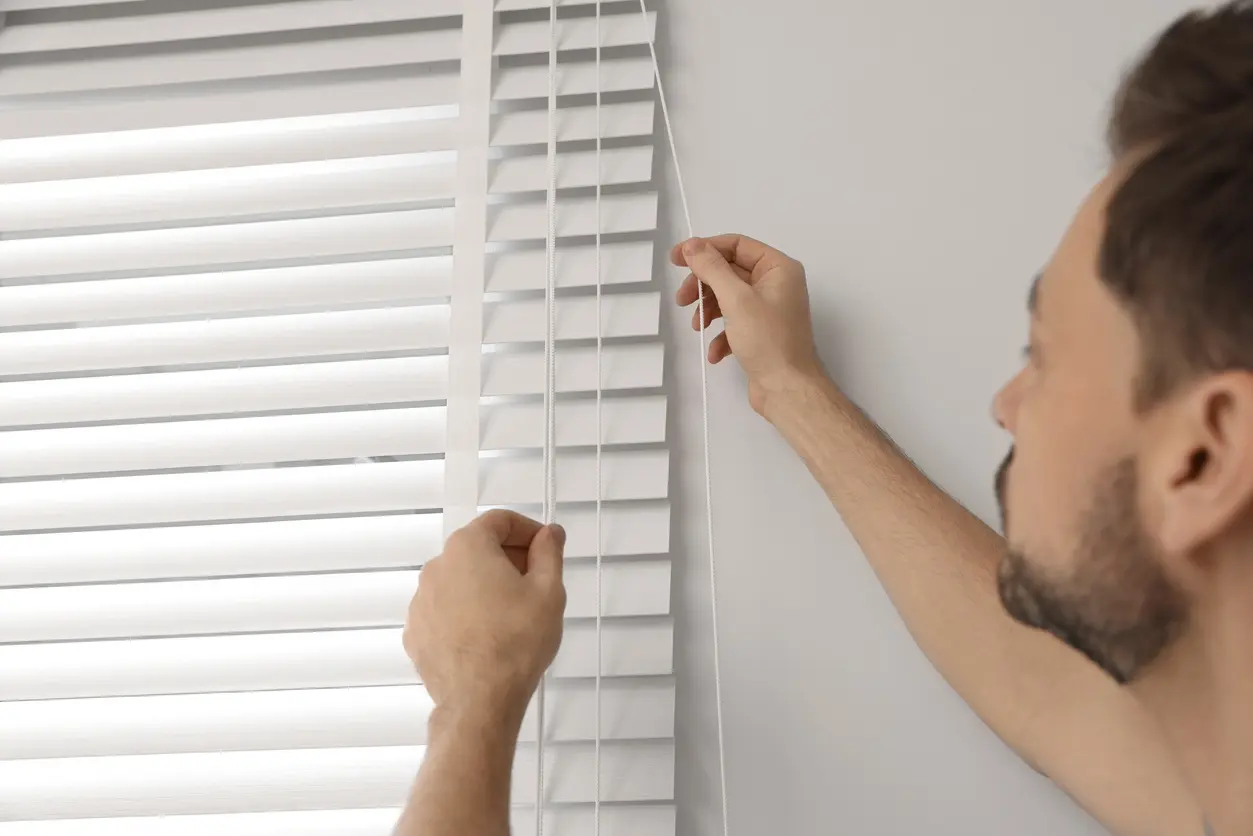
A cord lock uses a looped or continuous cord on one side of the blind to raise and lower it. It is a simple, reliable mechanism suitable for standard-height windows. The cord can be locked at any position to hold the blind in place.
Best for: Single-storey windows at accessible heights, rooms without young children.
Chain Drive
A chain drive uses a continuous loop of chain (typically ball chain) rather than a cord. It provides more mechanical advantage for heavier blinds and larger windows, making operation smoother and less tiring. Chain lengths are available in multiple options to suit different window heights.
Best for: Larger windows, heavier fabrics, or situations where the operating point needs to be lower than the headrail.
Cordless
Cordless Roman blinds use an internal spring mechanism or tensioning system that allows the blind to be raised and lowered by pushing or pulling the bottom rail directly. There are no hanging cords or chains.
Best for: Households with young children or pets, where dangling cords present a safety risk. Under Australian child safety regulations, corded blind cords must be secured at a height above 1,600mm from the floor. Cordless systems eliminate this requirement.
Motorised
Motorised Roman blinds are controlled via a wall switch, remote, or smartphone app. Some systems integrate with home automation platforms. The motor is concealed within the headrail.
Best for: Hard-to-reach windows, skylights, high windows above staircases, or households that want the convenience of automating their window coverings. Motorised systems are also the most practical option for multiple blinds that need to be operated simultaneously.
Child safety note: Australian regulations require that all corded window coverings have cords secured or tensioned so they cannot form a loop accessible to children below 1,600mm from the floor. If you have young children in the home, cordless or motorised systems are the safest choice.
Roman Blinds Room by Room
Each room in a home has different requirements for light, privacy, and durability. Here is how to apply everything above to the most common spaces.
Bedroom
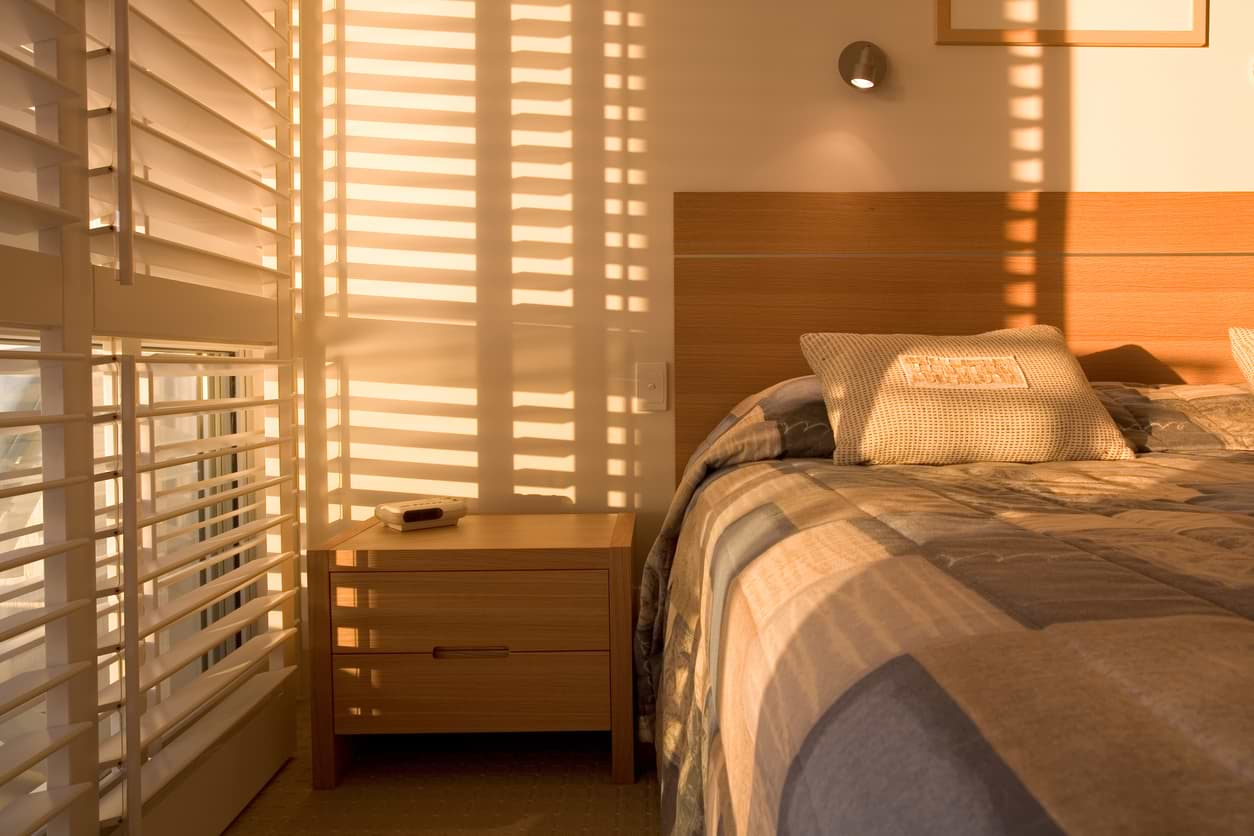
The bedroom is where Roman blinds perform best. A flat-style blockout blind with a quality lining gives you full light control for sleep, a clean aesthetic when raised, and excellent thermal performance. Face fitting with an overlap of at least 50mm on all sides minimises light bleed around the edges.
If you want a softer look without sacrificing light control, pair a light-filtering Roman blind with a separate curtain track for a layered window treatment. The blind handles daytime privacy; the curtain provides nighttime blockout.
Living Room
Living rooms benefit most from light-filtering fabrics that maintain brightness without glare. A flat-style blind in a neutral linen or poly-linen blend suits most contemporary Sydney interiors. For north-facing living rooms with significant sun exposure, choose a fabric with a UV protection rating and consider a lining to protect both the fabric and your furniture.
For living rooms with large windows or sliding door openings, multiple blinds installed side by side give you more control and a better visual result than a single wide blind.
Kitchen
The kitchen demands practicality. Choose a polyester or poly-blend fabric that can be wiped clean and resists moisture. A flat-style blind is the easiest to maintain. Avoid heavy linen or cotton fabrics in the kitchen, as they absorb cooking odours and moisture over time.
Light-filtering fabrics work well above kitchen sinks and benches where you want natural light during the day. For kitchen windows directly above a cooktop, consider whether a Roman blind is the right choice at all; roller blinds may be more practical in that specific location.
Home Office
Home offices need glare control. A light-filtering fabric that diffuses rather than blocks light reduces screen glare while keeping the room bright. If the office faces west and receives afternoon sun, a slightly denser light-filtering fabric or a blockout option with a dimout lining (which blocks most but not all light) gives you more flexibility.
Bathroom
Roman blinds can work in bathrooms, but fabric selection is critical. Choose a moisture-resistant fabric and avoid natural fibres like cotton and linen. A face-fitted blind with a moisture-resistant lining is the safest approach. Ensure adequate ventilation in the room to prevent condensation build-up behind the blind.
For privacy in bathrooms, a light-filtering fabric that obscures silhouettes while admitting diffused light is usually the right balance. Blockout is rarely necessary unless the bathroom faces directly onto a neighbouring property or a busy street.
Colour, Pattern, and Interior Style
Roman blinds present a large, flat panel of fabric when lowered, which makes them one of the most visible design elements in a room. That visibility is an opportunity, not a constraint.
Neutrals and Tone-on-Tone
Neutral fabrics in white, off-white, warm grey, and natural linen tones are the most popular choice in Sydney homes and for good reason. They work across interior styles, age well as décor changes, and let other design elements in the room take centre stage. A tone-on-tone approach, matching the blind fabric closely to the wall colour, creates a seamless, architectural look that suits contemporary interiors particularly well.
Bold Colours and Patterns
The flat surface of a Roman blind is ideal for showcasing a bold fabric. A patterned fabric, a geometric weave, or a rich solid colour can anchor a room's colour scheme and function as a focal point. This works best in rooms where the blind is frequently lowered and visible, such as a dining room or bedroom.
If you are using a patterned fabric, choose a flat-style blind. Hobbled and relaxed styles distort the pattern when the blind is lowered, which undermines the design intent.
Matching Blinds to Your Interior Style
Caring for Your Roman Blinds
Custom Roman blinds are a long-term investment. Proper care extends their lifespan and keeps them looking their best.
- Regular dusting: Use a soft brush vacuum attachment to remove dust from the fabric folds every few weeks. This prevents dust from embedding into the weave and is especially important for hobbled styles where dust collects in the folds
- Spot cleaning: For small marks, use a clean damp cloth and blot (do not rub) the affected area. Test any cleaning solution on an inconspicuous area first
- Avoid machine washing: Most Roman blind fabrics are not designed to be removed and machine washed. The lining, dowels, and stitching can be damaged. Check with your supplier before attempting any wet cleaning
- Protect from direct water: Roman blinds are not waterproof. In rooms with high moisture (bathrooms, laundries), ensure adequate ventilation to prevent condensation from saturating the fabric
- Annual inspection: Check the operating mechanism, cords or chains, and headrail fixings once a year. Catching a worn cord or loose bracket early prevents a more costly repair later
Getting the Right Advice Before You Buy
The decisions involved in choosing custom Roman blinds are interconnected. The fold style influences which fabrics work best. The fabric weight affects which control mechanism is appropriate. The mount type determines how you measure. Getting one decision wrong can affect the performance of everything else.
This is why seeing fabric samples in your own home, under your actual lighting conditions, before committing to an order matters. Showroom lighting is optimised to make fabrics look their best. Your north-facing living room at 2 pm on a summer afternoon is a different environment entirely.
A professional measure and quote removes the guesswork from the process. An experienced consultant can assess your windows, identify any installation challenges (such as deep reveals, architraves, or obstructions), recommend the right fabric and fold style for each room, and provide accurate pricing before any commitment is made.
Blinds n Co offers a free measure and quote service across Sydney. Whether you are furnishing a single room or an entire home, the team can help you navigate every decision covered in this guide and ensure your custom Roman blinds are made and installed to the right specifications.
Book your free measure and quote with Blinds n Co to get started, or explore the full Roman blinds range for more information on available styles and fabrics.