Buying shutters is not like buying a blind off the shelf. The right shutter depends on the room, the climate, your home's style, and how long you expect it to last. Get it wrong and you're looking at a product that warps, corrodes, or simply doesn't suit the space. Get it right and you have a window treatment that adds genuine value to your home for 15 to 25 years.
The good news: Sydney has no shortage of shutter options. The challenge is knowing which type fits your situation before you speak to a supplier.
This guide covers the four main shutter types available in Sydney, including plantation, timber, aluminium, and roller shutters. It breaks down what each one does, where it works best, what you should expect to pay, and what to look for when choosing a local supplier. Whether you're fitting out a new build, renovating a Federation terrace, or replacing ageing window coverings, this is the starting point.
Here's what we'll cover:
- The four main shutter types and how they differ
- Which shutter suits which room and situation
- Current Sydney pricing across all types
- Questions to ask before you commit to a supplier
- How to get a quality installation near you
The Four Main Shutter Types Available in Sydney
Not all shutters are the same product. The term "shutters" covers four distinct categories in the Australian market, each built for a different purpose, installed in a different location, and made from different materials. Understanding the distinction before you shop saves you from being sold the wrong product.
Use this framework before
The practical split most Sydney installers recommend: plantation or timber shutters for living areas and bedrooms, aluminium shutters for exposed or coastal-facing windows, and roller shutters for security and thermal performance on any exterior opening.
Plantation Shutters
Plantation shutters are louvred panels mounted inside the window frame, hinged so they swing open like a door. The defining feature is wide horizontal louvres, typically 63mm to 114mm, that tilt to control exactly how much light and airflow enters a room.
They're the most versatile interior shutter option in Sydney homes. They work in living rooms, bedrooms, bathrooms (in PVC), and hallways. They also add genuine resale value: unlike blinds or curtains, plantation shutters are treated as a structural fixture by property valuers, not a soft furnishing.
Key facts:
- Louvre widths: 63mm (traditional), 89mm (most common), 114mm (contemporary/large openings)
- Materials: PVC for wet areas, timber for living spaces, aluminium for exterior applications
- Lifespan: quality plantation shutters last 25 years or more with basic care
Timber Shutters
Timber shutters deliver a warmth and depth of finish that PVC and aluminium simply cannot replicate. Basswood and Western Red Cedar are the two most common species used in Sydney, with basswood favoured for its light weight on large panels and cedar for its natural resistance to moisture and insects.
Timber is the right choice for living rooms, bedrooms, and any street-facing window where kerb appeal matters. It integrates with original Federation and Victorian architraves in a way no other material does. The trade-off is that timber requires periodic sealing and is not suited to bathrooms, laundries, or kitchens with heavy condensation.
What timber handles well:
- Large panel spans (basswood is lightweight, reducing hinge stress)
- Custom paint colours and natural stains (unlike PVC, which cannot be repainted in the field)
- Heritage homes where matching original joinery is a priority
What timber does not handle well:
- Sustained humidity above 70% RH
- Wet areas or direct water exposure
- Coastal salt air without additional protective sealing
Aluminium Shutters
Aluminium shutters are the workhorse of the range. Powder-coated aluminium resists rust, fading, salt air, and insect damage, making it the only practical material for exposed exterior applications in Sydney's coastal suburbs.
They work both internally and externally, though most Sydney installers recommend them primarily for outdoor areas, alfresco spaces, balconies, and ground-floor windows facing laneways or busy streets where structural rigidity matters. For purely interior aesthetics, timber or PVC plantation shutters are a better fit.
Aluminium shutter strengths:
- Handles wind load and impact resistance that PVC and timber cannot match
- Virtually maintenance-free: no repainting, no sealing, no warping
- Suited to elevated apartments and coastal properties where salt air degrades other materials
- Available in a wide range of powder-coat colours to match external facades
- Lifespan of 15 to 20 years with minimal upkeep
Roller Shutters
Roller shutters sit outside the window in an aluminium headbox and roll down over the opening. They are the only shutter type that combines security, thermal insulation, and noise reduction in a single unit.
The air gap created between a closed roller shutter and the window glass acts as a thermal barrier, reducing heat gain in summer and heat loss in winter. For Sydney homes near arterial roads or flight paths, the noise reduction benefit alone often justifies the cost.
When roller shutters are the right call:
- Security is the primary concern (nothing else comes close for residential window protection)
- Heat and noise reduction are priorities
- Bushfire-prone areas: bushfire-rated roller shutters compliant with AS 3959 are available for BAL-40 and BAL-FZ zones, and some insurers offer premium discounts when compliant shutters are fitted
- Garages, workshops, or commercial openings requiring robust closure
Which Shutter Is Right for Your Room?
The most common mistake Sydney buyers make is choosing a shutter based on looks before considering the room's conditions. A beautiful timber shutter in a steamy bathroom will warp within a few years. An interior plantation shutter on an exposed coastal balcony won't survive the salt air. Room conditions, not personal preference, should drive the material decision.
Use this framework before you request a quote:
A Note on Bedrooms and Darkness
Shutters are excellent for privacy and light filtering, but they do not deliver total blackout. Light seeps between louvres and glows around panel edges even when fully closed. If complete darkness is important, pair plantation shutters with a blockout roller blind behind them. This combination gives you the aesthetic of shutters during the day and genuine darkness at night.
Heritage Homes in Sydney
Sydney's Federation and Victorian terraces, particularly across the Inner West, Eastern Suburbs, and North Shore, present a specific consideration. Timber shutters, particularly in basswood or cedar with custom paint colours, integrate with original architraves and skirting in a way PVC cannot replicate. If matching existing joinery is a priority, timber is the only option that delivers a custom colour match beyond the standard white and off-white range that PVC is limited to.
The Long-Term Value Argument
Shutters carry a higher upfront cost than most other window coverings. The honest case for them is longevity. A quality timber shutter lasts around 15 years; a standard roller blind typically lasts 7. Aluminium shutters and roller shutters can run 15 to 25 years with annual servicing. Over that period, the cost per year looks significantly different, and the shutter has required far less maintenance and replacement.
Lifespan comparison:
- Roller shutters: 15 to 25 years with annual servicing
- Aluminium shutters: 15 to 20 years (virtually maintenance-free)
- Timber plantation shutters: 10 to 20 years if sealed and kept dry
- PVC plantation shutters: 8 to 15 years depending on UV exposure
For most Sydney homeowners, shutters earn their cost back through a combination of thermal comfort savings, reduced maintenance, and the equity they add to the property.
What to Look for in a Sydney Shutter Supplier
The quality of the installation matters as much as the quality of the product. A premium shutter fitted poorly will sag, bind, or gap within a few years. A mid-range shutter fitted well by an experienced installer will outlast it. These are the five things that separate a careful supplier from a high-volume sales operation.
1. In-Home Measurement and Quoting
Any reputable supplier should measure on-site before providing a final quote, not work from photos or rough dimensions you provide over the phone. Shutters are custom-made to fit specific openings. A quote based on inaccurate measurements is either going to change significantly when the installer arrives, or produce panels that don't fit correctly.
Ask directly: "Do you measure and quote on site, or work from photos?" The answer should be: on site, every job, before quoting.
2. Written Warranty with Separate Structural and Finish Coverage
Shutter warranties should cover two things independently: the structural integrity of the panel and frame, and the paint or stain finish. A supplier who offers a single bundled warranty without separating these is giving you less protection than it appears.
Look for:
- Lifetime structural warranty on the panel and frame
- Minimum 10 years on the paint or stain finish, in writing
- A clear remediation policy if a panel warps or a finish fails (a written timeline, not a vague reassurance)
3. Local Installation Team
Suppliers who outsource installation to third-party contractors have less control over the quality of the final fit. Ask whether the installation team is employed directly or subcontracted, and whether the same company handles any warranty claims after installation.
4. Transparency on Product Origin
Panels assembled in Australia from imported components and panels imported preassembled are both common in the Sydney market. Neither is inherently inferior, but the answer should be specific and verifiable. A supplier who can't tell you where their shutters are manufactured is not one who will handle a warranty claim efficiently.
5. Free In-Home Consultation
Quality shutter suppliers offer a free in-home consultation that includes measuring, product samples, and design advice before you commit to anything. This is standard practice in Sydney's reputable segment of the market. If a supplier won't come to you before the sale, they're unlikely to come to you after a problem arises.
Bottom line: The right supplier will answer all five questions clearly before you sign. If they can't, that's a preview of how they'll handle a warranty claim.
You can explore the full range of shutters available in Sydney and request a free in-home quote without obligation.
How to Maintain Your Shutters Once Installed
Shutters are low-maintenance compared to curtains and fabric blinds, but they're not zero-maintenance. A simple routine extends the life of any shutter type significantly and prevents minor issues from becoming expensive repairs.
Routine Cleaning
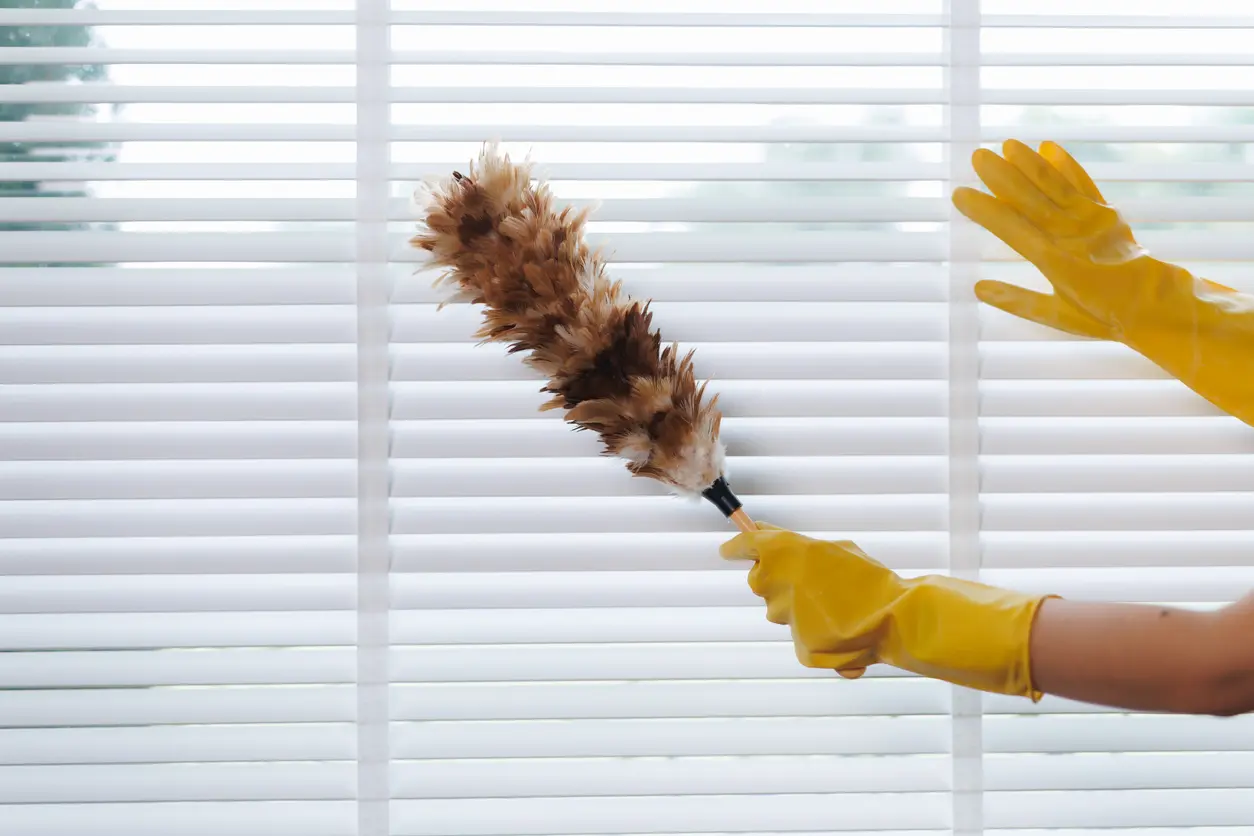
- Weekly: Dust louvres with a dry microfibre cloth. Tilt louvres fully open and wipe along each slat in one smooth motion to work quickly.
- Every 3 to 4 months: Wipe down with a damp cloth and mild detergent, then dry immediately to prevent water marks.
- Avoid: Harsh chemical cleaners, particularly on timber shutters where they can strip the protective coating. Avoid WD-40 on tracks and rails; it attracts dirt. Use a silicone-based spray instead.
Annual Checks
Run through this list once a year to catch problems before they escalate:
- Inspect hinge pins and tilt rods for looseness; tighten with a screwdriver where needed
- Check tracks and guide rails on roller shutters for dirt, leaves, or debris
- Lubricate moving parts with a silicone-based spray
- Test the full range of motion on every panel, open and close completely
- Inspect louvres and slats for cracks, chips, or warping
- For motorised shutters, test the remote and check the manual override
Moisture Management
Even PVC and aluminium shutters should be kept away from direct water spray where possible. In bathrooms, wipe up moisture immediately after hot showers rather than letting water pool along the bottom rail. Avoid slamming panels shut; the impact can crack louvres or bend the tilt rod mechanism over time.
Ready to Find Quality Shutters Near You in Sydney?
The right shutter is not a generic product decision. It's a combination of room conditions, material properties, installation quality, and supplier reliability. Get those four things right and you're looking at a window treatment that will still be performing well in 20 years.
The short version of everything above:
- Plantation shutters (PVC or timber): the default choice for most interior rooms in Sydney
- Timber shutters: the right call for heritage homes, living areas, and anywhere custom colour matching matters
- Aluminium shutters: the only practical option for coastal exposure, alfresco areas, and exterior applications
- Roller shutters: non-negotiable for security, thermal performance, and noise reduction
Sydney Blinds n Co supplies and installs all four shutter types across the Sydney metropolitan area. Every quote starts with a free in-home consultation where we measure your windows, bring physical samples, and give you a fixed price before any commitment.
Request your free in-home quote today and find out exactly which shutter suits your home, your rooms, and your budget.